
- The Seville European Film Festival announces 32 titles from its 23rd edition, including award winners from Cannes, the Berlinale, Venice and Annecy, and 8 films selected to represent their countries at the Oscars
- Irish studio Cartoon Saloon to receive SeFF Honorary Award for its contribution to European animation
- Spanish cinema will feature in the Official Section, the European Film Academy Selection, Embrujo, Alumbramiento and Special Screenings
The 23rd Seville European Film Festival was presented in Madrid on Monday. From 6 to 14 November, the festival will once again make the Andalusian capital the centre of European cinema, with national and world premieres and films acclaimed at the continent's major festivals.
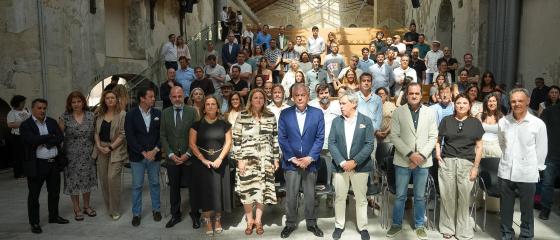
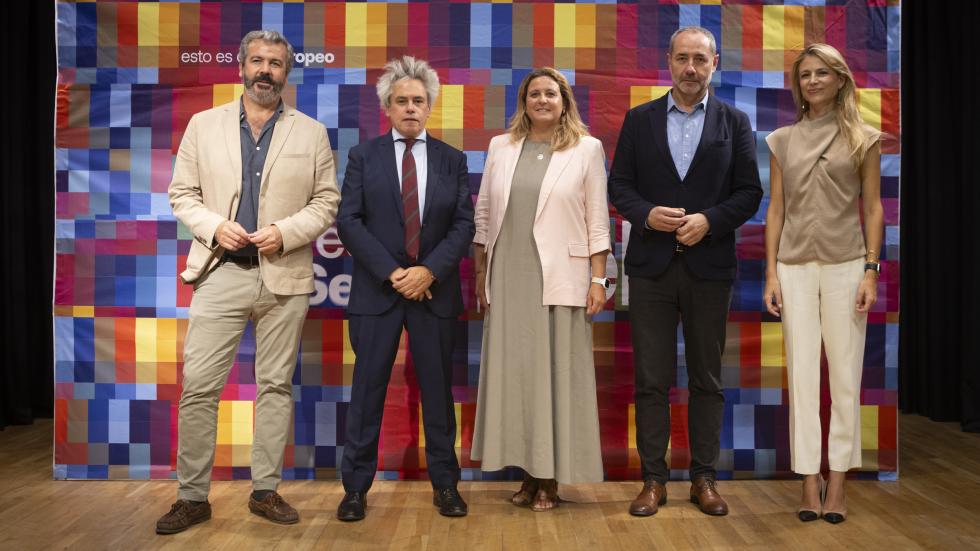
The presentation, held at the Palacio Longoria, headquarters of SGAE, announced 32 films from this year's programme, both in the Official Section and in other sections featuring Spanish cinema. The event was attended by the Delegate for Tourism and Culture, Angie Moreno, and the festival director, Manuel Cristóbal, together with a large group of filmmakers taking part in this edition.
The Official Section of the 23rd Seville European Film Festival: from family conflict to places in transition
The Official Section of the 23rd Seville European Film Festival brings together 15 films that reflect its focus on discovery and its open view of European and international cinema. The selection combines debut features and anticipated returns, with films that have screened at Cannes, Venice, Locarno, Toronto, Karlovy Vary and Annecy. They include two Oscar submissions: ‘Adult Supervision’, from Sweden, and ‘Elephants in the Fog’, from Nepal.
The tensions of living together and the challenges of adolescence run through several films in the Official Section. Among them is ‘3 Weeks After’, a drama about bullying based on real events, directed by Serbian filmmaker Miroslav Terzić, who co-wrote the script with Vladimir Arsenijević and Bojan Vuletić. A co-production between Serbia, Luxembourg, Italy, Bulgaria and Croatia, the film had its world premiere at the 60th Karlovy Vary International Film Festival, where it won the Europa Cinemas Label for Best European Film.
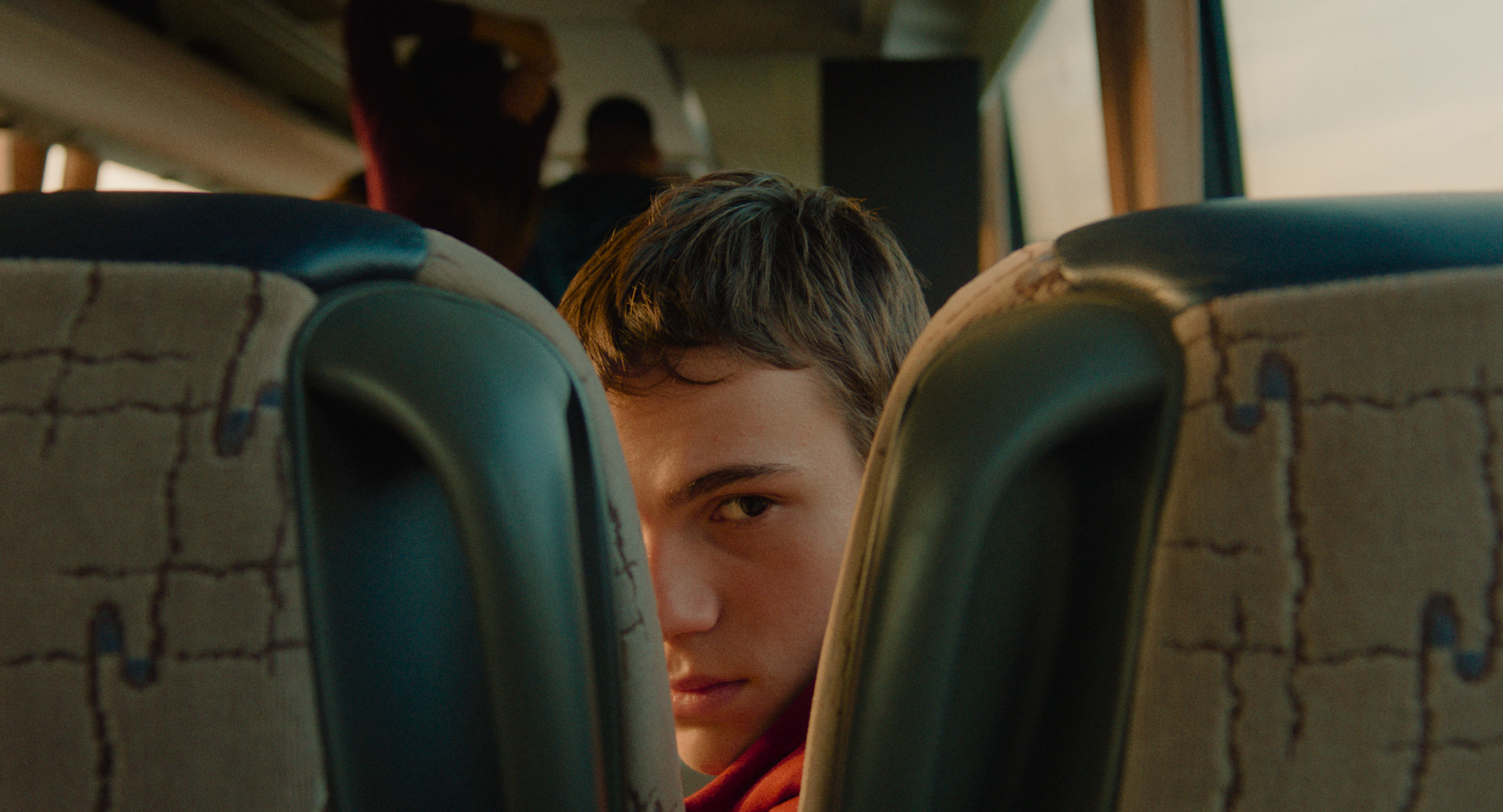
Adolescence becomes a source of family conflict in ‘Adult Supervision’, Sweden's Oscar submission. In his feature directing debut, Swedish writer and director Alex Schulman brings together three parents and their teenage daughters on a trip that starts as an idyllic holiday and soon gets out of hand. At its Fantastic Fest premiere, it won Best Picture (Next Wave).
‘Blaise’, by contrast, takes the opposite approach and turns growing up into a story of acceptance and discovery. The French animated film, directed by Dimitri Planchon and Jean-Paul Guigue, won Best Film in the Contrechamp section at the 2026 Annecy Festival. Based on Planchon's comic, it follows Blaise, a shy, clumsy teenager who always says yes to everything until he meets a girl called Josephine. The directors first brought ‘Blaise’ to the screen in 2016, as a 30-episode series.
‘Children of the Monkey’, the first feature by Italian director Tommaso Landucci, explores the limits of family bonds through the story of a father who cares for his disabled son and grows increasingly close to his teenage nephew. The title refers to one of Aesop's fables, which serves as a metaphor for the story. Written by Landucci and Damiano Femfert, the film premiered in the Orizzonti section at the Venice International Film Festival, where it won Best Screenplay and Riccardo Scamarcio won Best Actor.
The relationship between parents and children becomes more strained in ‘Falling House’, the fourth feature by Iranian director Mohsen Gharaei, co-written with Amir Mohammad Abdi. Rashid, a veteran prison guard, sees his life thrown into turmoil when he finds out that his eldest daughter plans to leave Iran to become a model. An Iran, US and Germany co-production, it had its world premiere in Orizzonti, where Laleh Marzban won Best Actress.
Families who don't really know each other take on a moral dimension in ‘You Don't Belong Here’, a Romanian drama written and directed by Florin Şerban that won the Golden Leopard for Best Film at the Locarno Film Festival. Marius, the medical director of a hospital and widowed father of a teenage boy, discovers that his son goes out at night with a gang of masked vigilantes and may be involved in a murder.
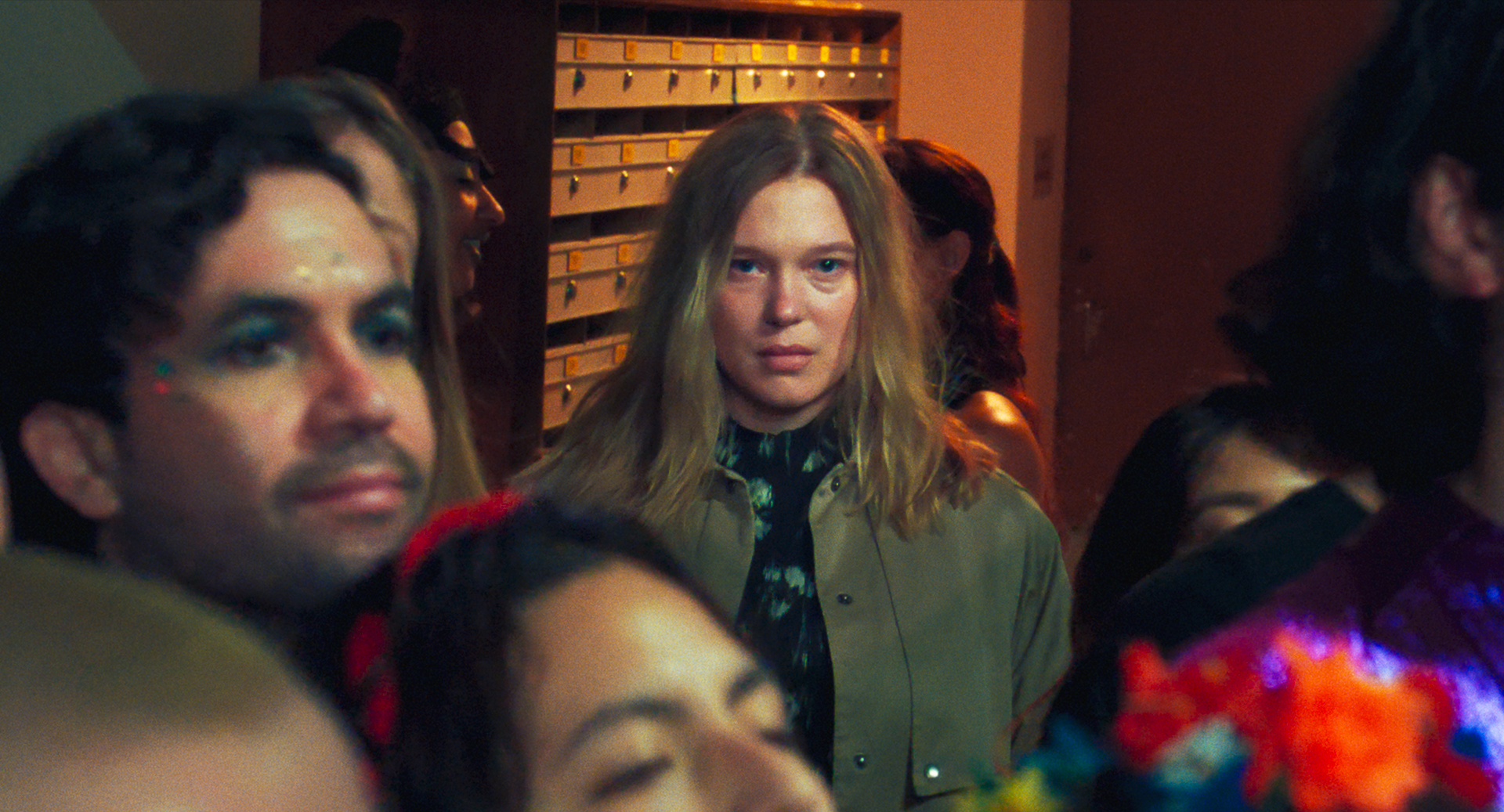
From family conflict, the focus shifts to characters forced to rebuild themselves when their sense of who they are is shaken. ‘L'inconnue’, directed by Arthur Harari and co-written with Vincent Poymiro, comes to the Official Section after competing for the Palme d'Or at Cannes. Léa Seydoux stars in this thriller with fantasy elements, in which a photographer follows an unknown woman after a party and, the next day, wakes up in her body.
Identity and personal change are also at the heart of ‘Lemonade’, the first fiction film by Irish documentary maker Kim Bartley. This coming-of-age story, whose cast includes Barry Keoghan, looks at the Irish foster care system. It centres on Danny, a teenager who makes a mistake that will change his life. Bartley also wrote the script for this Ireland-UK co-production, which premiered at the Toronto Film Festival.
In ‘Lave forventninger’, the need to start again comes after Maja breaks with the life she had built. The main character, a 29-year-old woman with a successful music career, has a breakdown that forces her to give everything up and move back in with her mother. This Norwegian-Danish film is written and directed by Eivind Landsvik, and is his first feature after several award-winning short films. It was selected for the Directors' Fortnight at Cannes.
After becoming one of the surprises of Un Certain Regard at Cannes, ‘Quelques mots d'amour’ marks the anticipated return to fiction of French director Rudi Rosenberg, more than ten years after ‘The New Kid’. In this comedy-drama, written by the director himself, Erika is bringing up her two children alone and helps her teenage daughter search for an absent father.
‘The Idiot(s)’, a Poland-Germany co-production, also puts a brave woman at the centre of the story. Aimee Lou Wood plays Anna Dostoevskaya, the woman who helped save the writer Fyodor Dostoevsky from ruin and became the first Russian woman to found her own publishing house. Małgorzata Szumowska and Michał Englert direct this black comedy, co-written with Kasper Bajon and Brid Arnstein and presented at the Toronto Film Festival.
From individual identity, the focus moves to communities. In ‘Elephants in the Fog’, the disappearance of a daughter forces Pirati, the matriarch of a Kinnar community, to face the tension between her own wishes and her responsibility to her people. The first feature by Nepali director Abinash Bikram Shah and Nepal's Oscar submission, the film had its world premiere in Un Certain Regard at Cannes, where it won the Jury Prize. It is a co-production between Nepal, France, Germany, Brazil and Norway.
Outside events break in differently in ‘Black Money for White Nights’, the fifth feature by Kristina Grozeva and Petar Valchanov, co-written with Decho Taralezhkov. Marina and her husband have spent years saving to travel to St Petersburg to see the White Nights, but the travel agency they paid cash in hand disappears when the war in Ukraine breaks out. This Bulgarian-Greek tragicomedy premiered at Karlovy Vary, where it competed for the Crystal Globe.
The Spanish films in the Official Section focus on places undergoing change and on the communities that have to deal with the consequences. In the documentary ‘Taranta’, the first feature by Samuel Nacar, written by Ana Puentes and Claudia Barthelemy, the reopening of the old Santana factory brings activity back to Linares, but also raises questions about the future of a town shaped by its industrial past.
The conflict between a community and a project that could change its surroundings runs through ‘Tralovento’, directed by Eloy Domínguez Serén and written by Eloy Domínguez Serén and Meritxell Colell. After her father's death, Ana returns to her village and decides to stay to finish the outstanding work in the family workshop. There she finds a village divided over the construction of a huge wind farm, and has to decide what place she wants in that future.
Out of competition, the Official Section will present another notable Spanish production, the documentary ‘Anguita. El hombre de los tres siglos’, directed by Hugo Cabezas and co-written with Córdoba journalists Marta Jiménez and José María Martín. The film brings the life and legacy of the politician Julio Anguita to the big screen.
SeFF will soon announce more titles for the Official Section and the other sections, completing the programme for the 23rd edition.
Cannes, the Berlinale, Venice and Annecy in the European Film Academy Selection
The European Film Academy Selection brings to Seville 12 films recognised by the European Film Academy, including some of the most notable European films of the year. It covers different national cinemas, genres and perspectives that reflect the diversity of European cinema today. The selection includes award winners from Cannes, the Berlinale and Annecy, films presented at Venice and six films representing their countries in the race for the Oscars.
Eleven new titles join the previously announced opening film, ‘Carmen, l'oiseau rebelle’, directed by Sébastien Laudenbach and co-written with Santiago Otheguy. The film is an animated reimagining of Georges Bizet's opera, set in Seville in 1840, where a group of street children try to save Carmen after an omen of her death. This new take on one of the characters most closely linked to Seville opens an edition that also features a partnership between SeFF and the Seville Opera Festival.
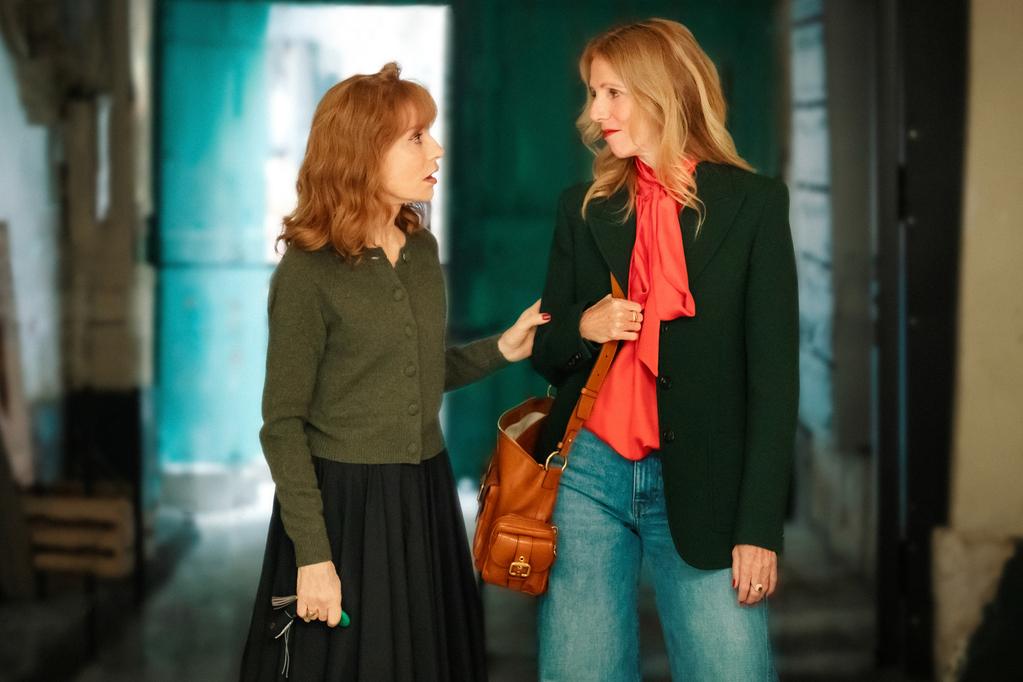
‘All About Corinne’, a France-Belgium co-production, is a comedy written and directed by Marc Fitoussi that takes a humorous look at the world behind the camera and the ambitions of those who dream of finding a place in it. Isabelle Huppert plays Corinne, a supporting actress who wants leading roles and sees her friendship with Sandrine Kiberlain, who plays herself, as a possible way to make her dream come true.
The European Film Academy Selection includes Lukas Dhont, director of ‘Girl’ and ‘Close’, who returns to SeFF with his third feature, ‘Coward’. The new film, Belgium's Oscar submission, is set during the First World War and follows Pierre, a young soldier who arrives at the front determined to prove his courage. Its two lead actors shared the Best Actor award at Cannes.
Sandra Wollner writes and directs ‘Everytime’, an Austria-Germany co-production that comes to Seville after winning Best Film in the Un Certain Regard section at Cannes. A story about guilt and forgiveness, it is Germany's Oscar submission.
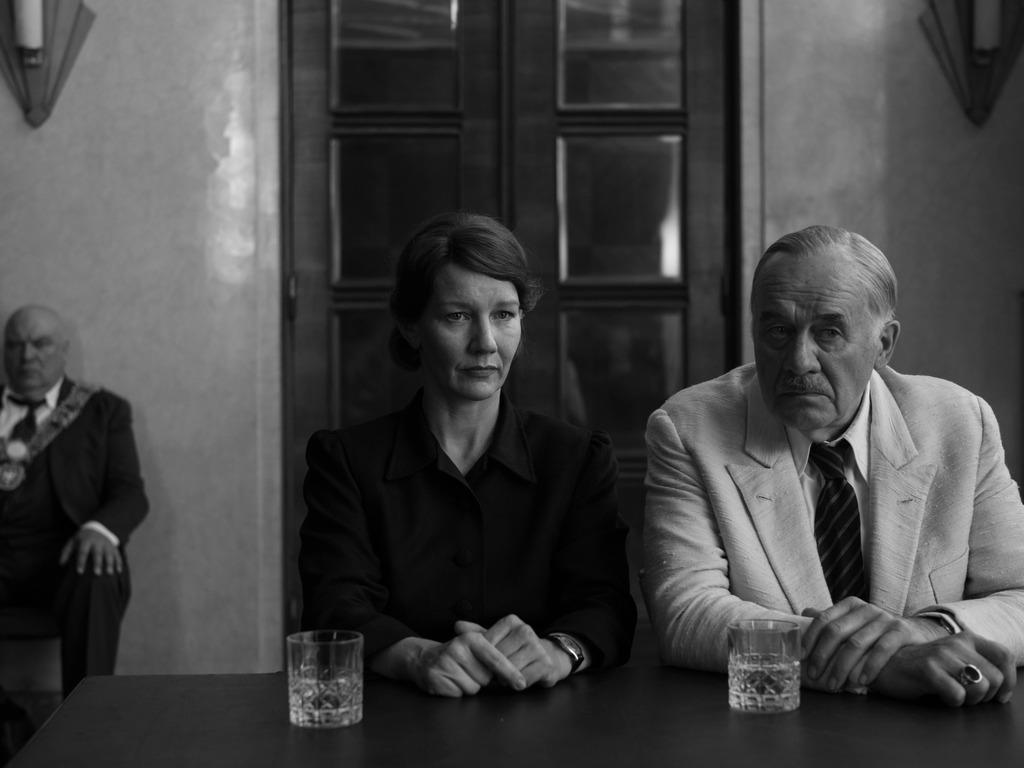
Also heading for the Oscars, representing Austria, is another Austrian-German co-production, ‘Rose’, a black-and-white historical drama directed by Markus Schleinzer, who co-wrote the script with Alexander Brom. The film, which won Sandra Hüller the Silver Bear for Best Leading Performance at the most recent Berlinale, is set during the Thirty Years' War.
Paweł Pawlikowski directs ‘Fatherland’, co-written with Henk Handloegten, which completes the historical trilogy he began with ‘Ida’ and ‘Cold War’. Starring Sandra Hüller and Hanns Zischler, the film follows Thomas Mann's return to post-war Germany in 1949. In the Official Competition at Cannes, it won Pawlikowski the Best Director award (shared). It is Poland's Oscar submission.
Cristian Mungiu writes and directs ‘Fjord’, a drama about a Romanian-Norwegian couple in conflict with the child protection authorities in Norway. The film, whose cast includes Sebastian Stan and Renate Reinsve, won the Palme d'Or at Cannes, as well as the FIPRESCI Prize and the Prize of the Ecumenical Jury. ‘Fjord’ is also Romania's Oscar submission.
‘The Spiral’, a psychological thriller with a touch of horror directed by Paolo Strippoli and co-written with Salvatore De Chirico, starts from a family secret to explore its consequences in the present. Starring Jasmine Trinca and Valeria Bruni Tedeschi, it competed in the Official Selection at Venice and is Italy's Oscar submission.
After screening at Locarno comes ‘I Rarely Wake Up Dreaming’, a German-Ukrainian co-production directed by Isabelle Stever and written by Anna Melikova. It tells the love story of Olya and Oleh, a Ukrainian couple whose relationship is tested by the war and by one partner's gender transition.
Cinematographer Marine Atlan makes her feature debut with ‘La Gradiva’, co-written with Anne Brouillet. The film follows a group of French students on a trip to Naples to visit the ruins of Pompeii, where contact with the remains of the city and the bodies preserved by the eruption of Vesuvius stirs up desire, anger and the conflicts of growing up. A France-Italy co-production, it won the Grand Prize at Cannes Critics' Week.
Winner of the Golden Bear at the Berlinale, ‘Yellow Letters’ is the new feature by Turkish-German writer and director İlker Çatak. A Germany, France and Turkey co-production, co-written with Ayda Meryem Çatak and Enis Köstepen, the film follows an artist couple who lose their jobs because of their political views and move with their daughter from Ankara to Istanbul.
The selection closes with ‘The Violinist’, a Singapore-Spain-Italy co-production that made history at the Annecy Festival by winning the Cristal for Best Feature Film and the Sacem Award for Best Original Music. Directed by Ervin Han and Raúl García, and written by Han with Jordan K. See, the film is set in Singapore during the Second World War and follows Fei and Kai, two young violinists whose bond is broken by the Japanese occupation. It became the first Spanish production to win Annecy's top award, and the first film from Singapore to do so, in the year the country took part in the festival's Official Selection for the first time.
Spanish cinema across SeFF's sections
Spanish cinema will be present in several sections of the Seville European Film Festival. In addition to the films already announced in the Official Section and the European Film Academy Selection, eight more titles extend the presence of Spanish cinema across the festival.
Among them, the Embrujo section, a competitive strand devoted to the boldest and most distinctive voices in cinema today, includes two Spanish productions. ‘Bailar la muerte’, a documentary written and directed by Luis E. Parés, brings together three stories: flamenco inside and outside Spain, Spanish cinema, and Spain itself in the post-war years. ‘Monstro’, directed by Andrés Goteira and co-written with Alicia Albares, combines horror and fantasy in a silent film that explores the relationship between fear and identity.
The Alumbramiento section, which showcases original films that do not yet have commercial distribution in Spain, adds the Spanish production ‘Clanes de Dios’, written and directed by Tino de la Huerta. The film follows a police officer marked by personal tragedy who is dragged into a war between criminal clans after a murder ordered by a cartel. The cast is led by Juan José Ballesta, in his first leading role in a feature since ‘A Man of Action’ (Javier Ruiz Caldera, 2022), alongside Mala Rodríguez, Roberto Oliveri, Ana Verónica Schultz and Fernando Santos.
Spanish cinema also features in Special Screenings, with five films covering different genres and approaches, from historical films and thrillers to documentary and animation.
Iván Pellicer, Víctor Clavijo and Salva Reina star in ‘Carta Blanca’, a war film directed by Gerardo Herrero and written by Daniel Corpas and Lorenzo Silva, based on Silva's novel of the same name, winner of the 2004 Premio Primavera de Novela.
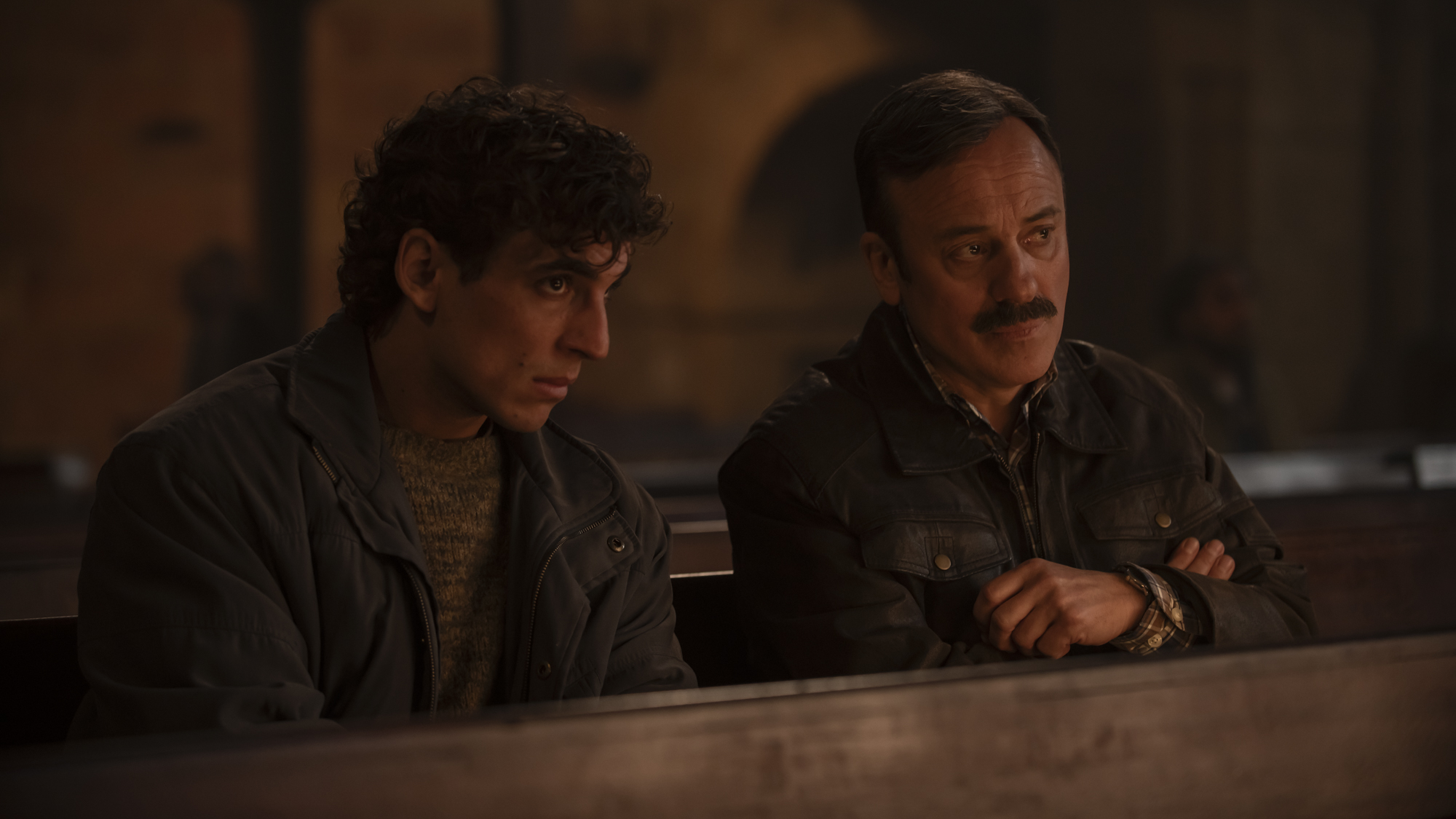
Also screening is ‘El Confidente’, the new thriller from Daniel Calparsoro, with a script by Fernando Navarro based on real events. Starring Javier Gutiérrez and Miguel Herrán, the film follows the relationship between a veteran police officer scarred by decades of ETA attacks and his young informant.
Edgar Neville, a diplomat, screenwriter and filmmaker who worked at Metro-Goldwyn-Mayer alongside Charles Chaplin before becoming one of the voices of post-war Spanish cinema, is the subject of the documentary ‘Edgar Neville, el español que vino de Hollywood’, directed by José del Río and written by Mª Lara de Vicente and Julia Royo.
Along the same lines, Special Screenings will include ‘Clint Spain Connection’, a documentary by Víctor Matellano about Clint Eastwood's arrival in Spain in 1965 to shoot ‘For a Few Dollars More’, the second film in Sergio Leone's Dollars Trilogy, and his part in establishing the spaghetti western internationally.
Spanish animation will be represented by ‘Momonsters. La película de Navidad’, co-directed by Javier Martínez and Christian Garnez and written by Martínez with David Ramírez Ros and Maider Ávila. The film brings the characters from the popular children's series to the big screen in a new adventure for all ages.
Cartoon Saloon to receive SeFF Honorary Award for its contribution to European animation
The Seville European Film Festival has announced the second Honorary Award of its 23rd edition. Following the award for Polish director Agnieszka Holland, the festival is honouring Cartoon Saloon, one of the most respected animation studios in the world. It is the first time the Festival has given this award to an animation studio.
Founded in 1999 in Kilkenny, Ireland, by Paul Young, Tomm Moore and Nora Twomey, the studio has received five Oscar nominations and two Golden Globe nominations, as well as recognition from the BAFTAs and the Emmys. Its features include ‘The Secret of Kells’ (2009), ‘Song of the Sea’ (2014), ‘The Breadwinner’ (2017) and ‘Wolfwalkers’ (2020).
The tribute is part of a special programme the Festival is organising with the Embassy of Ireland in Spain to mark Ireland's Presidency of the Council of the European Union. The Ambassador of Ireland to Spain, Brian Glynn, sent the Festival this message: "Ireland's Presidency of the European Union is an opportunity to highlight the creative talent and cultural richness that Ireland brings to Europe. Few organisations embody those values more successfully than Cartoon Saloon. Through films such as The Secret of Kells, Song of the Sea, The Breadwinner, and Wolfwalkers, the studio has shared stories inspired by Ireland's heritage with audiences across the globe. We are delighted to partner with the Seville European Film Festival in recognising their extraordinary contribution to European culture and animation, while strengthening the cultural ties that connect Ireland and Spain."
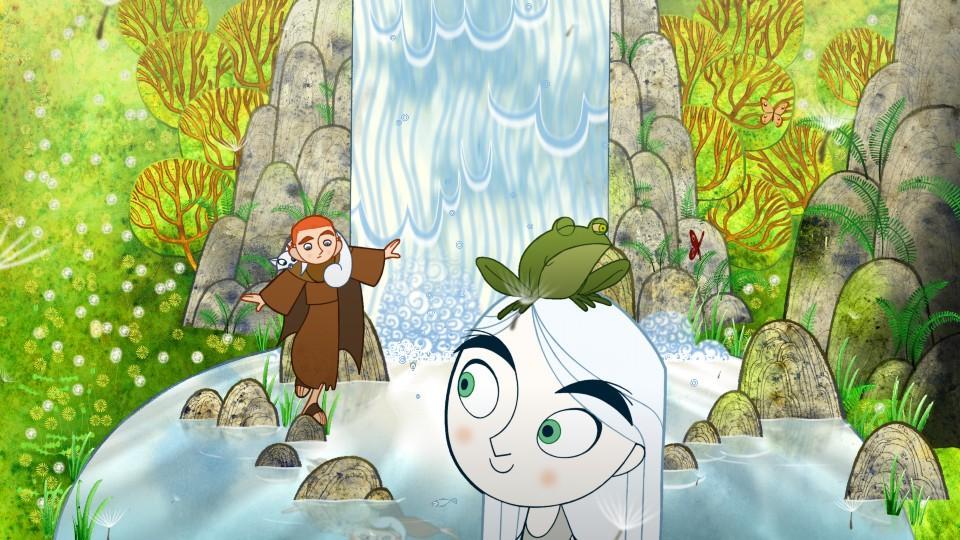
With this award, the Seville European Film Festival extends its support for animation and for the different forms of filmmaking that make up contemporary European cinema. SeFF will announce more Honorary Awards for its 23rd edition soon.
This year, the Seville European Film Festival is also building closer ties with international cinema through partnerships with countries including Poland, Italy, Hungary, Sweden, Latvia, Israel, France, Austria, Norway and Belgium.